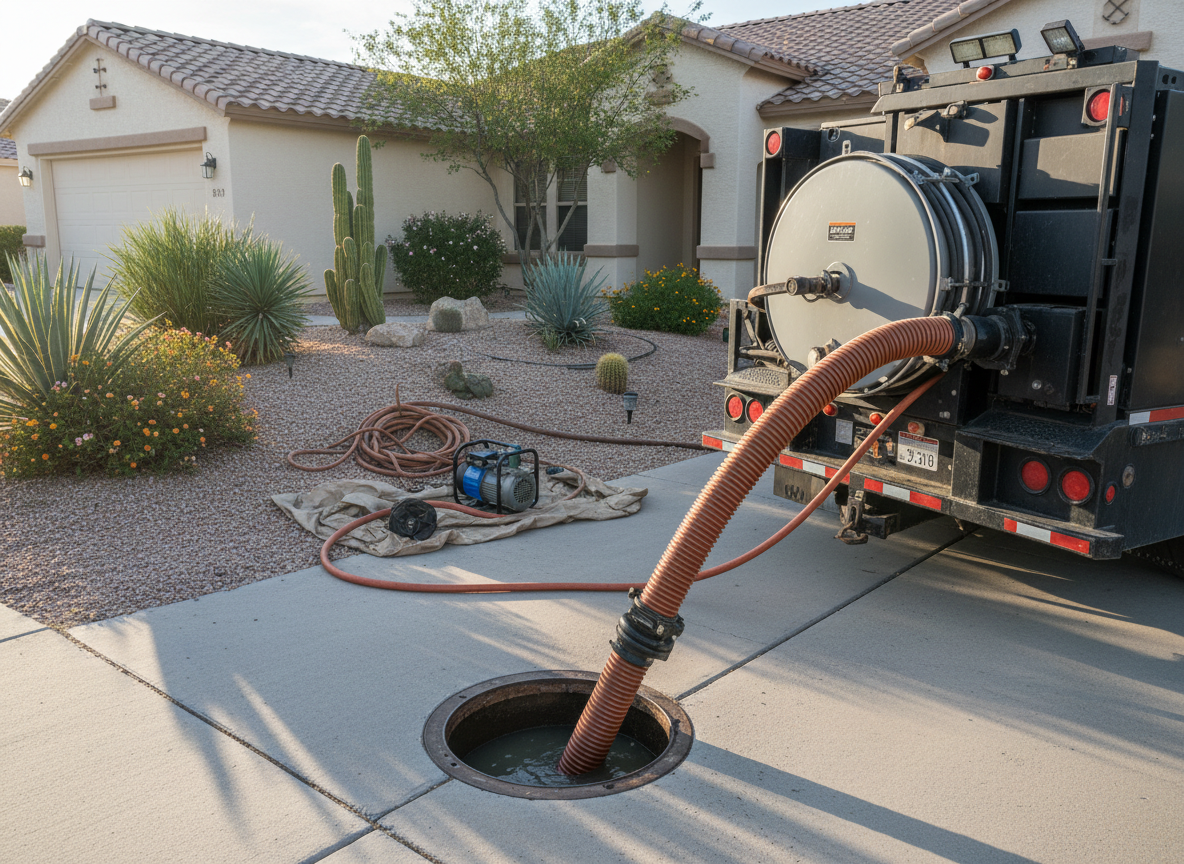
Storm drain cleaning in Washoe County begins with a camera inspection to locate blockages caused by desert soils, caliche layers or tree roots that commonly invade lines during the cold winters. Contractors then select from spot repair, CIPP lining, pipe bursting or open trench methods depending on pipe material and access. Permits from the city of Reno or Sparks are required for any excavation work that reaches public right-of-way.
High-desert clay soils expand and contract with seasonal temperature swings, stressing older concrete and clay pipes that still serve many neighborhoods between Reno and Carson City. Root intrusion accelerates in summer when irrigation increases and again in winter when roots seek moisture. Cleaning crews use hydro jetting or mechanical cutters sized for the line diameter, followed by a post-service camera check to confirm flow restoration.
Homeowners should note that storm drains tie into municipal systems, so any work must avoid introducing debris downstream. Local contractors coordinate with Washoe County utilities to locate laterals and mark utilities before any digging begins. When CIPP lining is chosen, the liner is inverted or pulled through the existing pipe and cured in place, avoiding full trench replacement in established yards.
Soil and Root Challenges in Nevada
High-desert conditions around Reno create unique demands on storm lines. Caliche and expansive clay can shift pipes while roots from native and landscape trees seek water year-round. Contractors address these factors by matching cleaning methods to the specific soil and pipe conditions found during inspection.
Technician insight
In Reno, the thing that catches most people out with Storm Drain Cleaning is how quickly caliche and shifting clay around older homes in the northwest valleys can re-block a line after a simple jetting. Homeowners often assume one cleaning solves it, but the soil movement here means the joints keep opening.
Storm Drain Cleaning Services We Offer
✓Catch Basin Cleaning
Removes sediment, leaves and debris that collect in surface basins before they wash into main storm lines during summer thunderstorms.
✓Storm Drain Jetting
Uses high-pressure water to clear grease, roots and mineral buildup from underground drainage pipes without excavation.
✓Video Inspection of Storm Lines
Provides a recorded camera survey to identify cracks, offsets or root entry points before any cleaning or repair begins.
✓Root Cutting and Removal
Cuts and extracts tree roots that have entered storm drains through joints, common in older Reno neighborhoods with mature landscaping.
✓Debris and Sediment Extraction
Vacuums out accumulated sand, gravel and organic matter that settles in low points of storm drainage systems.
✓Caliche Intrusion Clearing
Breaks through hardened mineral deposits typical of Nevada desert soils that restrict flow in storm drain pipes.
How it works
- 1
Initial Assessment
A contractor reviews property access and schedules a camera inspection of the storm drain line.
- 2
Line Location and Permitting
Utilities are marked and any necessary permits are pulled with the city of Reno or Sparks before work starts.
- 3
Cleaning Method Selection
The crew chooses jetting, mechanical cutting or another approach based on the material found inside the pipe.
- 4
Post-Service Verification
A follow-up camera run confirms the line is clear and flow has been restored to the municipal system.
Pricing
Pricing depends on the job and is discussed with the contractor after you call.